The Mamba Venom and Sahara are absolute beasts on the road. They pack massive motors, huge fat tyres, and serious speed. But there is a common saying in the e-bike world that every rider learns eventually: "It doesn't matter how fast you can go; it matters how fast you can stop."
If you are reading this, you’ve probably experienced "The Squeak." You pull the brake lever, and instead of a smooth, confident stop, you get a loud metallic screech that wakes up the neighbourhood. Or worse—the lever touches the handlebar grips, and you’re still moving forward.
In this guide, we’re going to be honest about the stock mechanical brakes, explain the physics of why they struggle with 30kg+ e-bikes, and detailing why upgrading to Avocado Hydraulic Brakes is the single best safety investment you can make.
1. The "Oh S**t" Moment: A Real Scenario
Let’s set the scene. You’re riding your Mamba down a steep hill in Sydney. You’re doing about 35km/h. Suddenly, a car pulls out from a driveway.
With Mechanical Brakes: You panic and squeeze hard. The steel cable stretches under the tension. The caliper clamps down, but you feel resistance in the lever. You have to use four fingers and pull with real force. The bike slows down, but it feels like a struggle, and the rear wheel might skid unpredictably.
With Hydraulic Brakes: You use one finger. You tap the lever gently. The fluid pressure engages the pads instantly. The stopping power is linear—meaning the harder you pull, the more you stop, without the "on/off" skid feeling. You stop with meters to spare.
The Physics Check: Mechanical brakes aren't "bad"—they are perfectly fine for a 12kg road bike. But a Mamba Venom weighs over 30kg, plus your weight (say 80kg), plus momentum. Mechanical cables simply stretch too much under that 100kg+ dynamic load.
2. Mechanical vs. Hydraulic: The Technical Breakdown
Feature
Stock Mechanical Brakes
Avocado Hydraulic Upgrade
Actuation
Steel Cable (Stretches over time)
Mineral Oil Fluid (Does not compress)
Modulation
"On/Off" feeling. Hard to feather.
Linear and smooth. Easy to control in corners.
Maintenance
Frequent manual adjustments needed as pads wear.
Self-adjusting pistons. Pads sit closer automatically.
Effort
Requires strong hand grip (3-4 fingers).
Feather-light touch (1-2 fingers).
The "Modulation" Factor
Many riders think upgrading brakes is just about raw power (locking the wheels). It's actually about modulation. Hydraulic brakes allow you to feel the grip of the tyres. On a fat tyre bike, this prevents you from locking up the front wheel on loose gravel and sliding out.
3. The Upgrade Path: Know Your Options
Depending on your budget and mechanical skills, you have two ways to fix your braking.
Option A: The Quick Fix (New Pads)
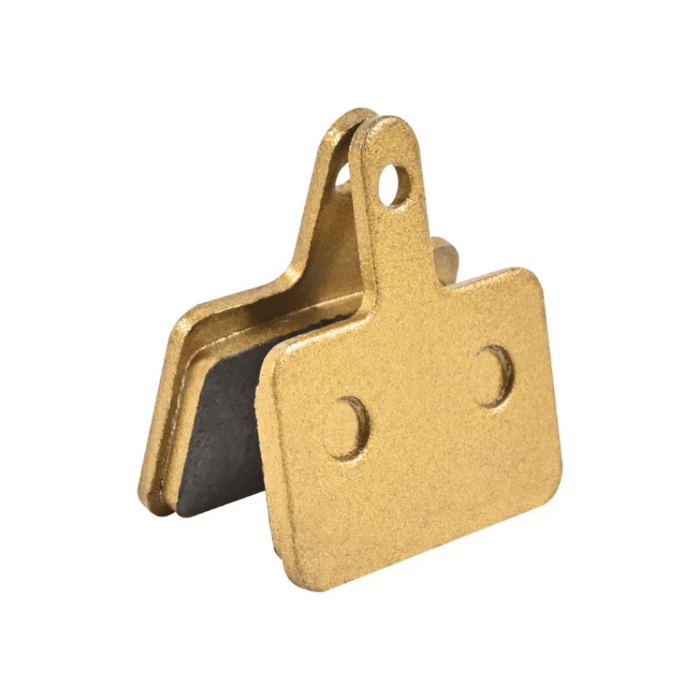
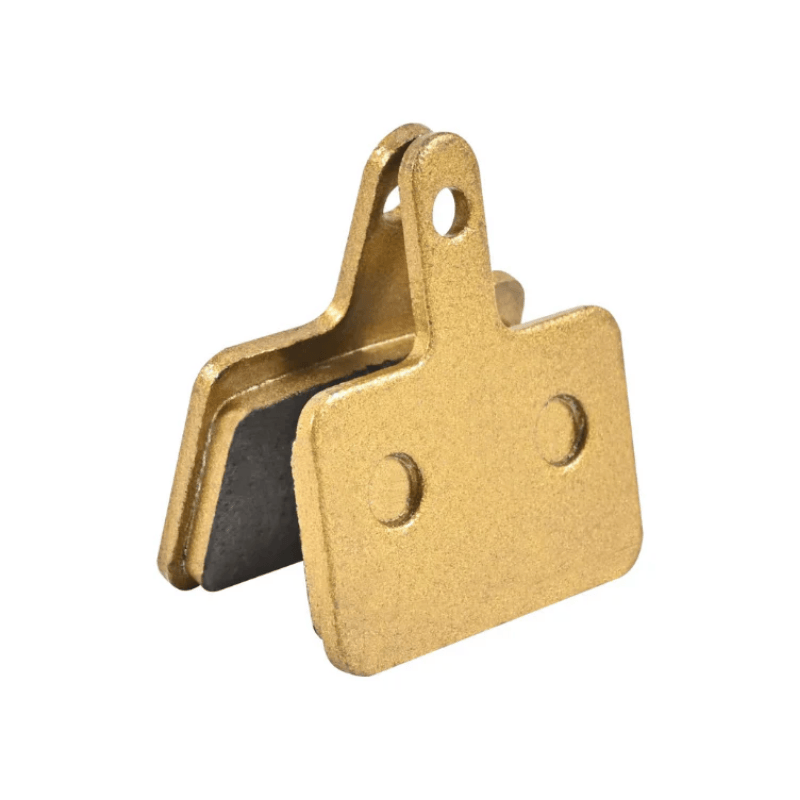
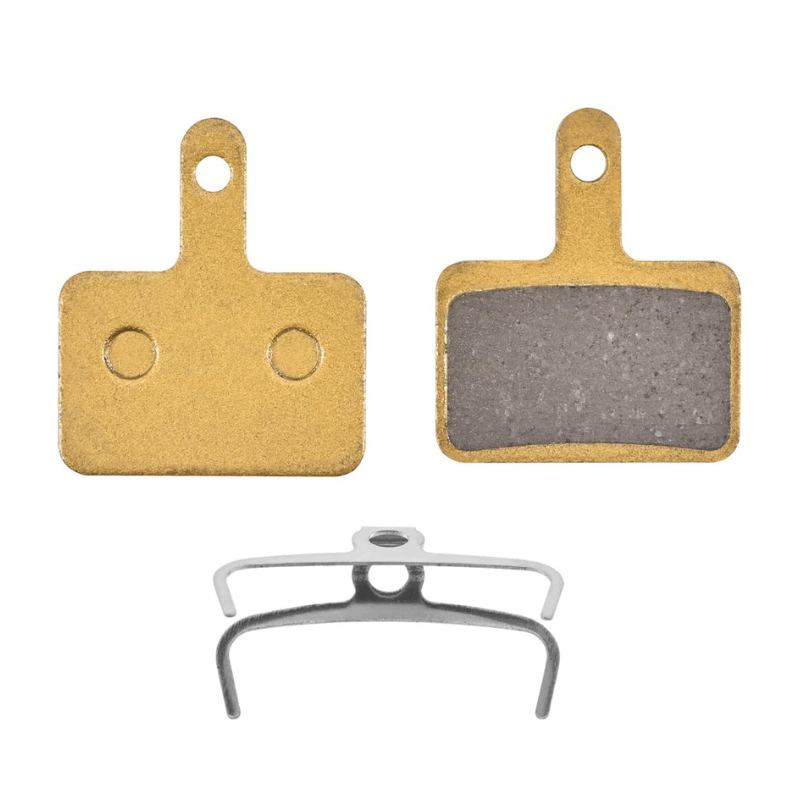
If your brakes are just noisy but still stop okay, you might just need better pads. Stock pads are often hard metallic compounds that last long but sound terrible. Switching to Ceramic or Resin Brake Pads can reduce noise and improve initial "bite."
Option B: The Real Fix (Full Hydraulic Kit)
This replaces your entire lever, hose, and caliper system. The Avocado Hydraulic Brake Set is designed as a plug-and-play solution for Mamba frames.
Crucial Feature - Motor Cut-Off: Our kits include the 2-pin red waterproof connector. This communicates with your controller to cut motor power instantly when you touch the brakes. Many generic hydraulic brakes (like Shimano MT200) lack this sensor, meaning your motor might keep pushing against you while you try to stop.
4. Installation: The Tricky Part (Internal Routing)
This is where things get real. The Mamba features internal cable routing (the cables go inside the frame) for a clean look.
The Challenge: You can't just pull the old brake line out, or you'll never get the new one through.
The Trick: Tape the end of the new hydraulic hose to the end of the old mechanical cable before you pull it out. Use the old cable to "fish" the new hose through the frame.
The Warning: Do not disconnect the hydraulic hose from the lever unless you have a "Bleed Kit" handy, as air will get into the system.
5. What We DO NOT Recommend
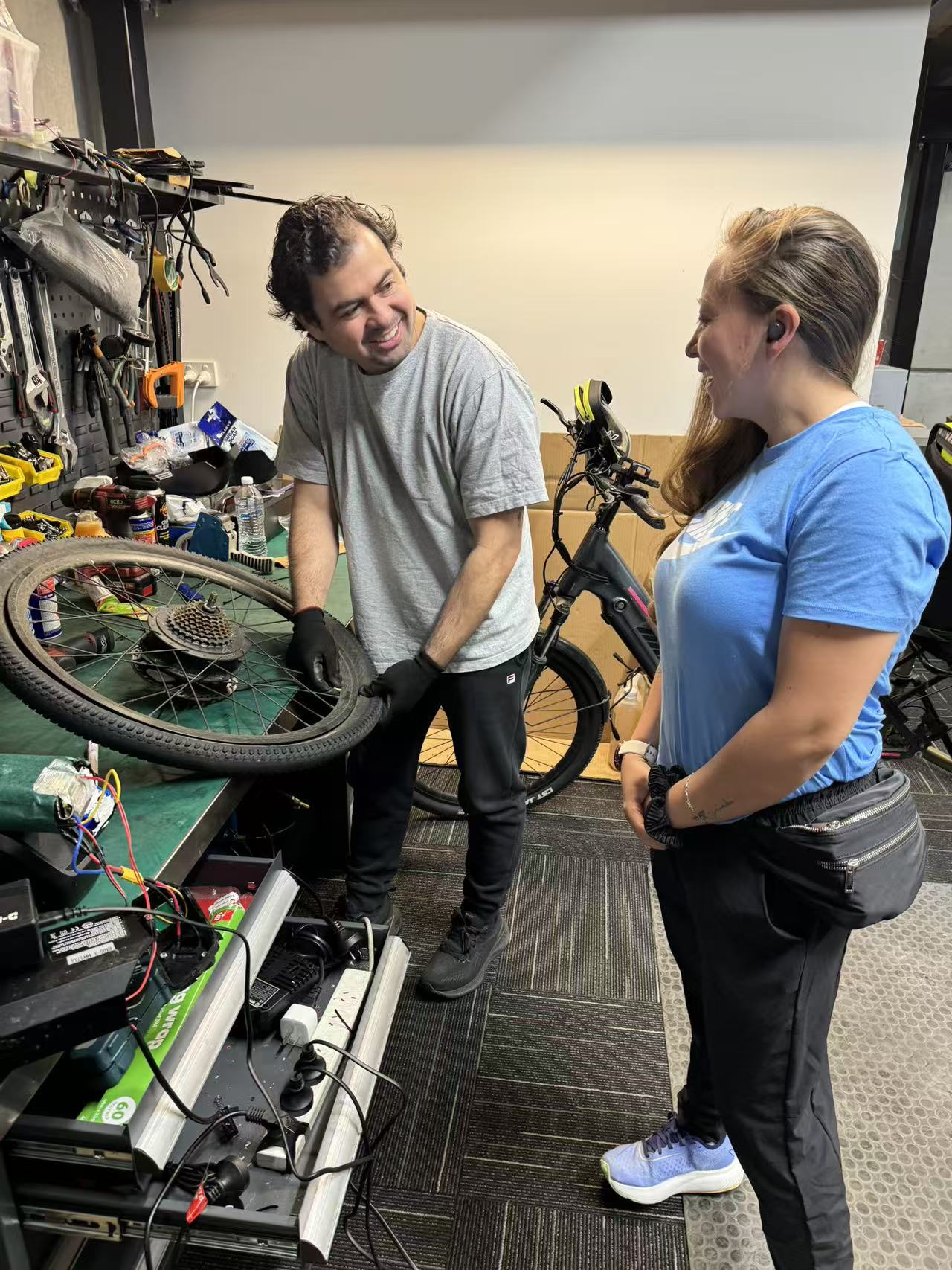
We’ve seen some expensive mistakes in the workshop. Please avoid these:
WD-40 on Rotors: Never, ever spray WD-40 near your brakes to stop the squeaking. It will contaminate the pads instantly, and you will have zero braking power. You’ll have to throw the pads away and degrease the rotor.
Mixing Fluids: If you buy a hydraulic kit elsewhere, check if it uses Mineral Oil or DOT Fluid. Mixing them will swell the seals and cause total brake failure. (Our Avocado kits use Mineral Oil for safer maintenance).
"Cable-Actuated" Hydraulic Calipers: You might see "hybrid" calipers online that use the old cable to pull a hydraulic piston. In our experience, these offer the worst of both worlds—you still get cable stretch friction, but with added complexity. Go full hydraulic or stay mechanical.
6. Frequently Asked Questions (FAQ)
Q: Do I need to "bleed" the brakes before installing?
A: No. The Avocado Hydraulic Kit comes pre-bled and filled with mineral oil. It is ready to bolt on. You only need to bleed them if you decide to cut the hoses shorter.
Q: Can I upgrade to larger rotors (180mm or 203mm)?
A: The stock Mamba rotors are usually 160mm. You can upgrade to 180mm for better heat dissipation, but you will need a "Caliper Adapter" bracket to move the brake caliper further out. Without the adapter, the larger rotor won't fit.
Q: Will this void my warranty?
A: Upgrading safety components like brakes generally does not void the warranty on your motor or battery. In fact, we recommend it. However, damage caused by improper installation (like leaking oil onto the motor hub) wouldn't be covered.
7. The "Bedding In" Process
Don't skip this. If you install new brakes and immediately go for a top-speed run, you will "glaze" the pads and ruin them.
How to do it: Accelerate to 20km/h, then brake firmly but don't stop completely. Slow down to walking pace, then let go. Repeat this 10-15 times. This transfers a microscopic layer of pad material onto the rotor, creating the friction surface needed for maximum power.
Ready to Upgrade?
We often tell customers: you can save money on a fancy seat or grips, but never cheap out on brakes. Upgrading to hydraulic brakes changes the entire feel of the Mamba. It makes the bike feel premium, controlled, and most importantly—safe.
Shop Mamba Hydraulic Brake Upgrade Kit